The foundation of emphysema treatment is quitting smoking, bronchodilator inhalers and pulmonary rehabilitation. In advanced disease, oxygen therapy may be added. In selected emphysema patients, endobronchial valves, lung volume reduction or steam ablation that shrink the overinflated region are considered. The alveolar damage that forms is irreversible; the aim is to relieve symptoms.
Contents
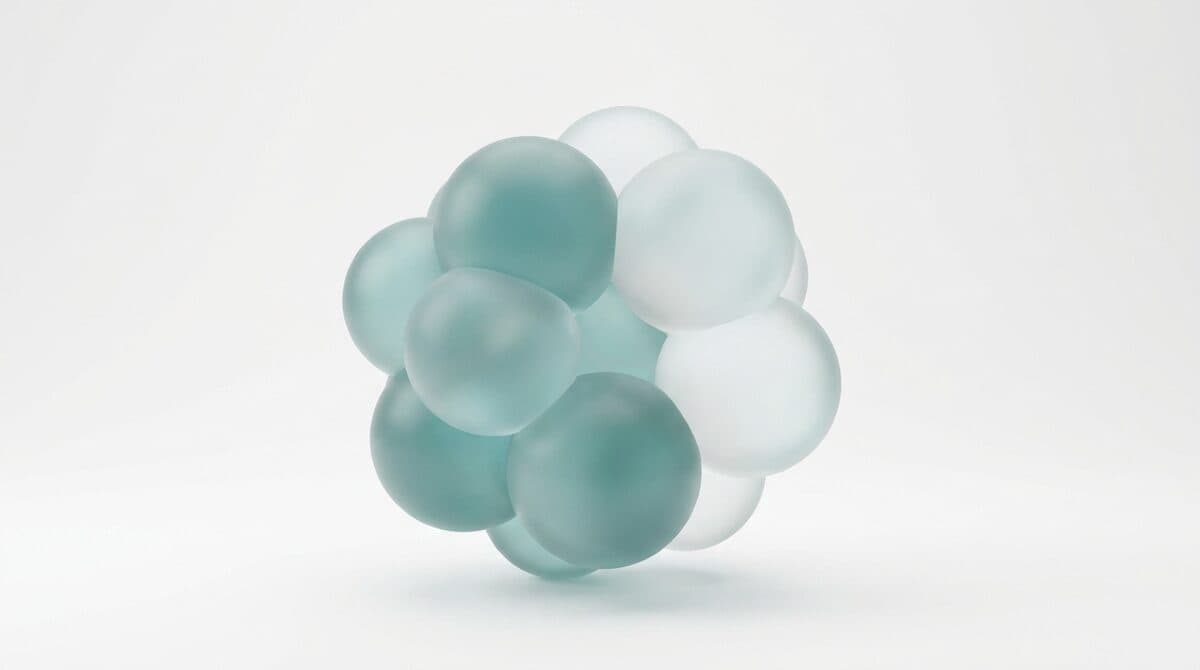
Emphysema is a disease in which the walls of the tiny air sacs (alveoli) in the lungs are damaged and enlarged. Healthy alveoli are like small balloons that pass oxygen into the blood; in emphysema these balloons tear and merge into large, inefficient spaces. The result: air trapping in the lungs and shortness of breath. Emphysema is one of COPD's two main components, along with chronic bronchitis.
The difference between emphysema and chronic bronchitis
Both are under the COPD umbrella but are different problems. In chronic bronchitis the main problem is airway inflammation and excess mucus production (cough and phlegm predominate). In emphysema the problem is the destruction of the air sacs (breathlessness predominates). In many patients the two coexist and treatment is planned accordingly. This distinction matters because some bronchoscopic interventions target emphysema and others target chronic bronchitis.
Core treatment
- Quitting smoking — the most important step that stops the damage progressing
- Bronchodilator inhalers — open the airways, reduce breathlessness
- Pulmonary rehabilitation — increases exercise capacity
- Vaccines — reduce infections and flare-ups
- Long-term oxygen therapy in advanced disease
Advanced interventions in selected patients
In emphysema patients who do not respond adequately to medication and rehabilitation and who have a specific overinflated lung region, bronchoscopic volume reduction options may be evaluated: endobronchial valves, lung volume reduction coils and thermal steam ablation. The aim is to shrink the non-functioning region so healthy tissue and the breathing muscles work more efficiently. These interventions do not cure emphysema; eligibility is determined by special tests and specialist assessment.
In emphysema the alveolar damage is permanent and irreversible. The aim of treatment is not to repair the damage but to reduce symptoms, slow progression and preserve quality of life.
Frequently asked questions
Are emphysema and COPD the same thing?
Not exactly. COPD is an umbrella diagnosis; emphysema and chronic bronchitis are its two main components. Emphysema is the type of COPD involving damage to the air sacs; in many patients it coexists with chronic bronchitis.
Can emphysema be treated?
The damage in emphysema is irreversible, but the disease can be treated: smoking cessation, inhalers, rehabilitation and, in selected patients, volume reduction interventions relieve symptoms and improve quality of life.
Is balloon therapy for emphysema?
Balloon-based methods are mainly aimed at chronic-bronchitis-dominant patients with a thickened airway layer. In emphysema, volume reduction methods such as valves, coils and steam come to the fore. The right method is determined by a specialist according to the disease type.
Related pages
Would you like information about COPD balloon therapy?
Our team is ready with a free preliminary assessment and information tailored to you.
This content is for information only and does not replace a physician's examination. Consult a healthcare provider for diagnosis and treatment.